Standing up for yourself isn’t against tradition: How we teach Roma women and men to recognize domestic violence
Checking your phone, dictating what you should wear—the boundaries of an unhealthy relationship are often subtle. Through its "Speak Up" project, Slovo 21 is addressing the issue of domestic violence within the Roma community and debunking the myth that it is a matter of tradition. Project lecturer and mentor Monika Berkyová explains what victims face, how she approaches the topic with young people, and what a "happy ending" actually means.
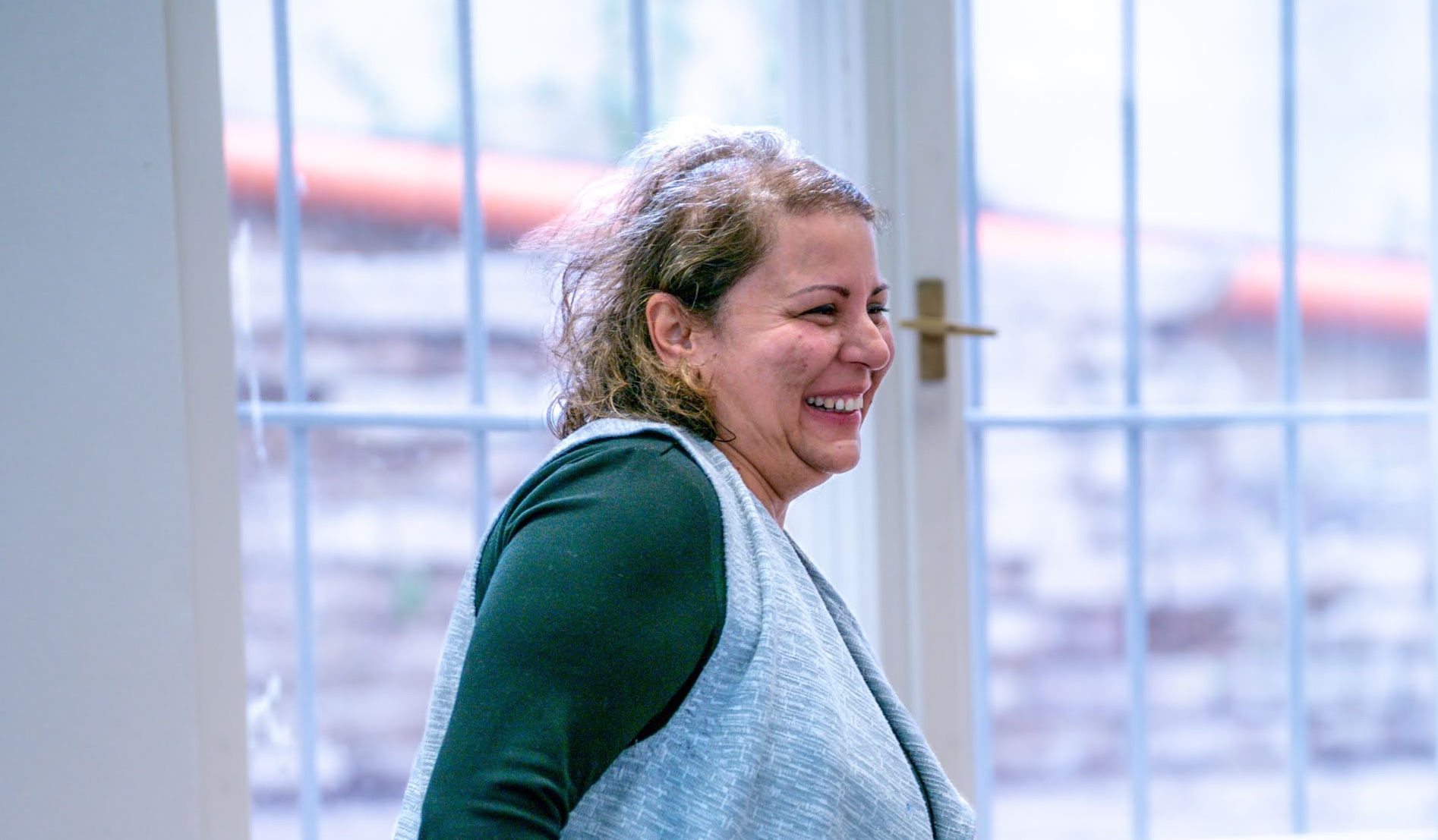
"Is it right for your partner to look through your phone without your consent?" I listen to Monika Berkyová talk about violence in relationships. I ask her for the right answer. "Your partner must respect your privacy and the boundaries you set," she explains. Monika Berkyová has been working with Slovo 21 for several years. She offers support to Roma women who are dealing with domestic violence. This year, as part of the "Speak Up" Summer School, she educated the young Roma generation about domestic violence.
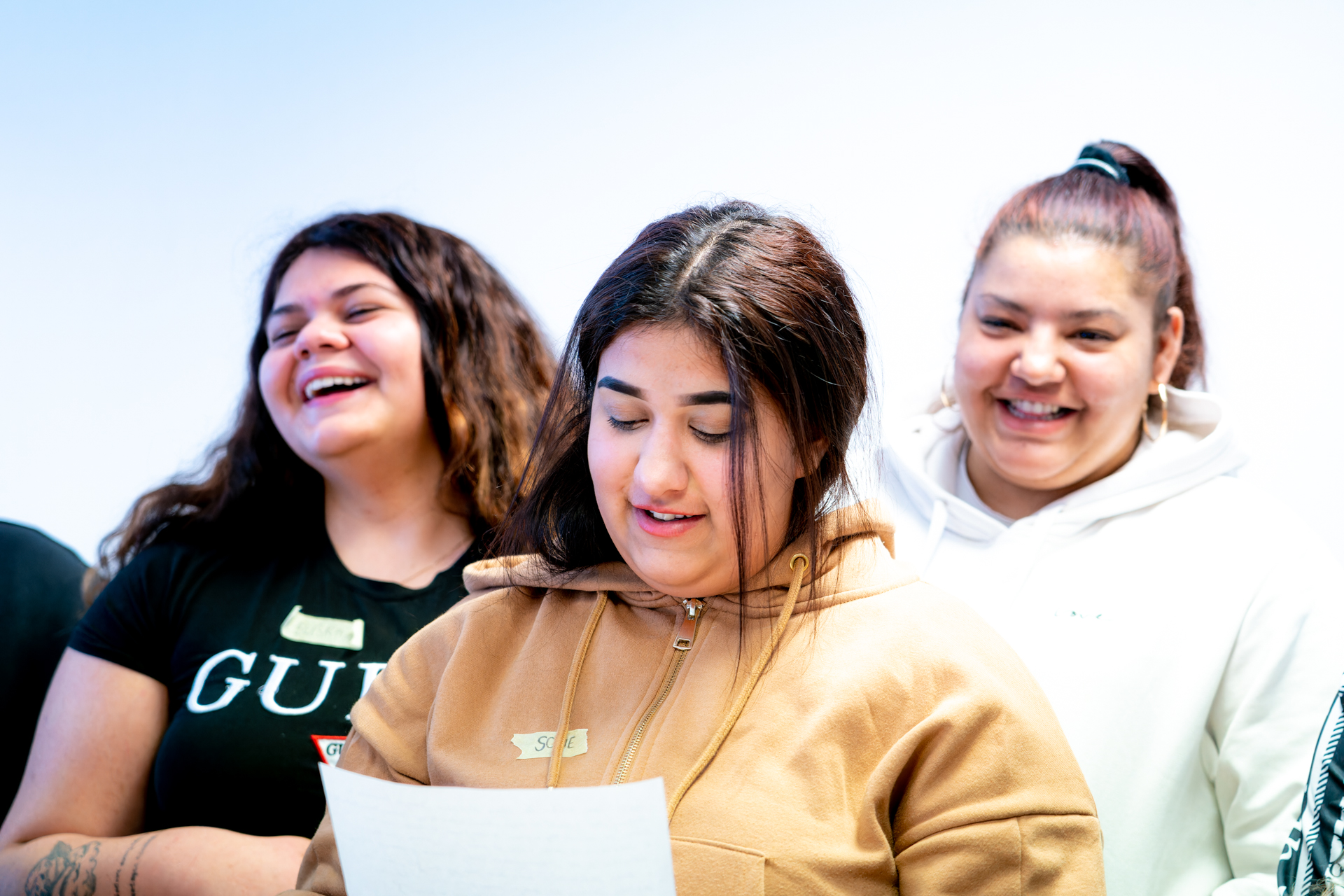
"Even young people have experience with violence in relationships. It can manifest as a partner being possessive or dictating what they can and cannot do," she explains. At the Summer School, they learned how to recognize forms of domestic violence and where to seek help. "Some young people think it stems from our traditions. That we are supposed to be those housewives who try to do the absolute most for their men. We taught them to recognize that this mindset can slide into forms of domestic violence."
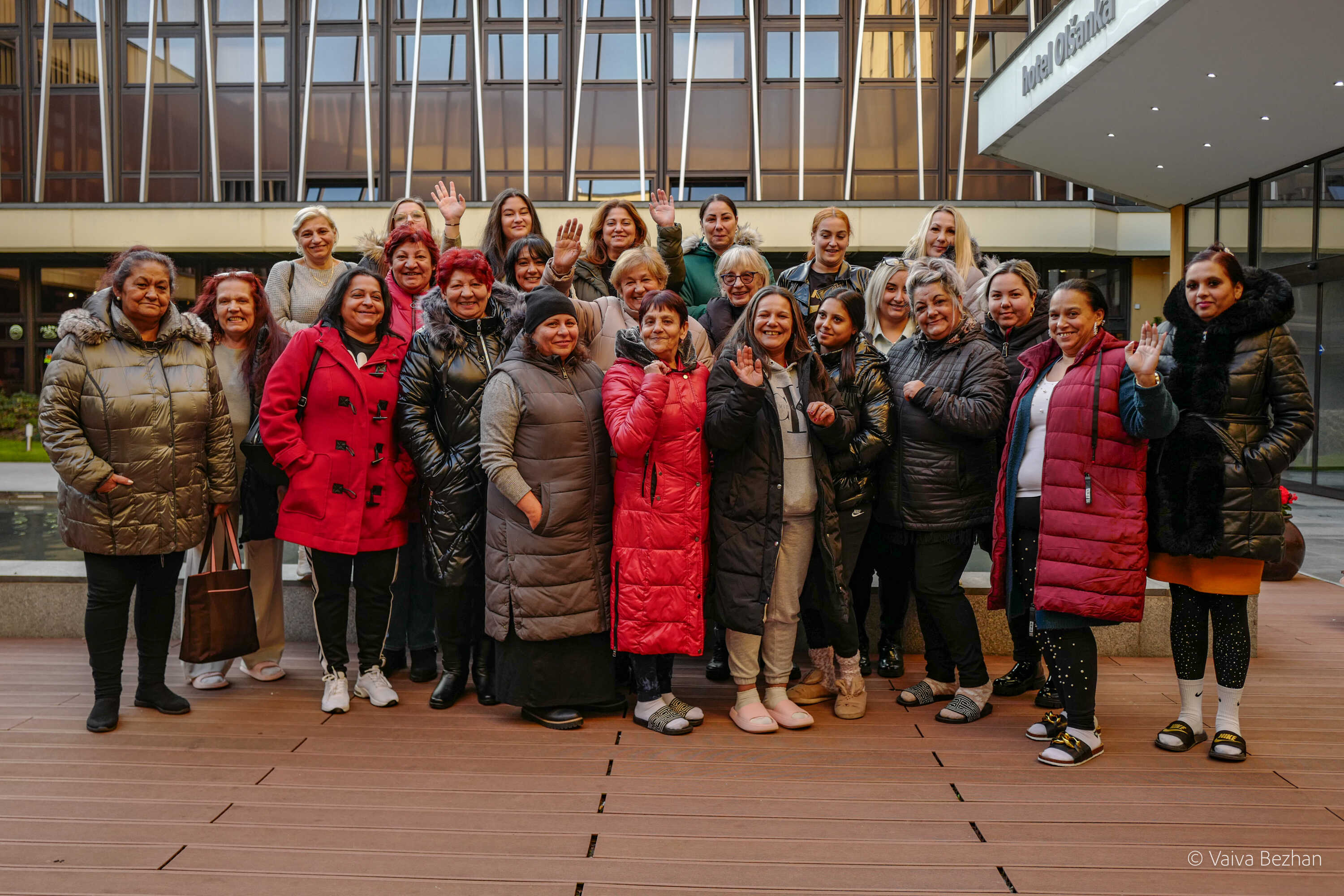
Since 2000, the Manushe groups for Roma women have been operating under Slovo 21, with up to two hundred Roma women across the country participating in their activities. When we began addressing the topic of domestic and gender-based violence in 2024, we were able to build on the trust we had cultivated with women in the regions for over twenty years. This gives us the chance to reach the women who truly need help.
Monika Berkyová offers psychological support to victims. They might connect via messenger or meet in person. "In the initial phase, it is important for the woman to say it out loud at all. Sometimes I am the first person she has ever spoken to about it, even though she may have been experiencing the violence for years. Often, not even her parents or children know. Then, it is important to listen without judgment. These women need to feel accepted, not judged." Monika explains that a lot depends on how long the women have been experiencing the violence or whether they were accustomed to something similar in childhood. "For them, it can be the norm; they don't even realize what is happening until, for example, they have a broken bone or are facing some truly serious danger."
Research by Slovo 21 has shown that up to 30% of surveyed Roma women experience some form of domestic violence. They rarely decide to seek help. Often, they just they need to be able to confide in someone and realize that something is wrong. “The person I’m speaking with during a consultation needs to feel that they can handle it and that they aren’t alone. That they aren’t stupid, incapable, or lazy. That they have enough strength to get through it,” Monika explains as the core principle of helping victims. I ask how often victims expect things to get better and hope for a happy ending. “There are many such stories, but what is a happy ending? To me, a happy ending is when the woman sees it. She realizes that this isn’t the way. She manages to set boundaries. Leaving a partner can be a good ending, but if you haven’t come to terms with it internally, sooner or later you might fall into something similar. A happy ending is when a person feels good, whatever that looks like.”
Our Partners

Related projects
Speak up so you can be heard
Domestic violence against women must be discussed openly. This is especially true in the Roma community, where the topic has long been a taboo and is frequently downplayed. Our exclusive research revealed that nearly a third of Roma women in the Czech Republic have personal experience with domestic violence. We want to address a topic that has been silenced for too long. We want to empower the voices of women that were once suppressed.
Manushe
Education, self-confidence, emancipation": the motto of the Roma women's group Manushe, which brings together over 170 Roma women and men of all ages and educational backgrounds from across the Czech Republic. The group is also a member organization of the Czech Women's Lobby and the European Women's Lobby.
